
De-stoner: The Expert in Impurity Removal in Grain Processing
author: sunfield
2024-07-23
Introduction
The de-stoner, as an indispensable part in the grain processing and food production lines, ensures the purity and processing quality of raw materials with its unique separation technology. This article will deeply explore the working principle, structural composition, wide application and maintenance of the de-stoner, providing you with a comprehensive analysis of this important equipment.
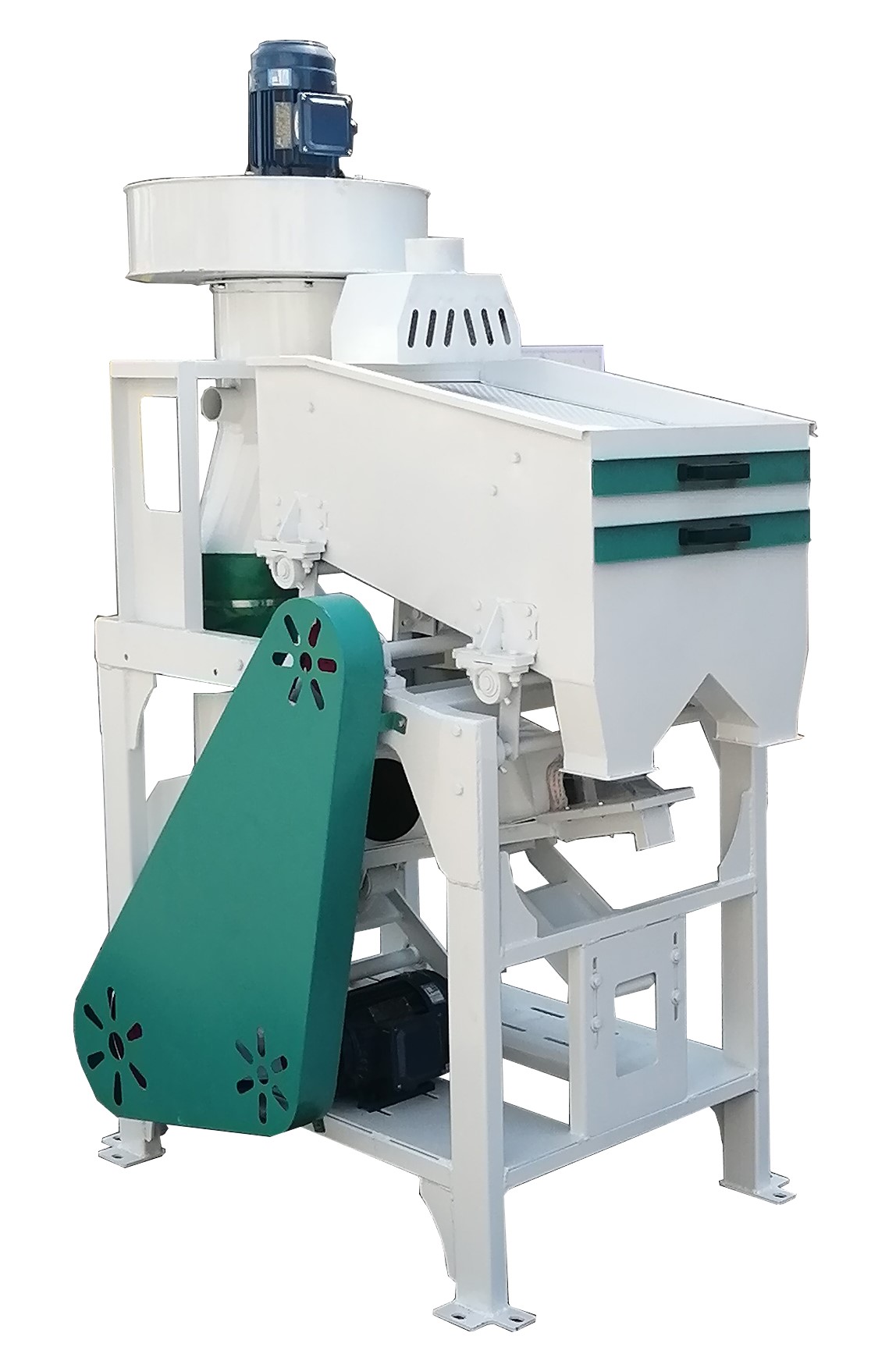
I. Working Principle
The de-stoner is based on the difference in specific gravity between the materials and impurities (such as stones, mud blocks, etc.), and ingeniously uses the force of the airflow and the screen to achieve efficient separation. It is mainly divided into two major types: suction type and blowing type:
Suction type de-stoner: Utilizing the difference in specific gravity and suspension speed between grains and impurities, through the upward airflow penetrating the gaps between the grain particles, it prompts the classification of grains and impurities to achieve separation. Its core components include the feeding suction device, storage hopper, suction hood, screen body, eccentric drive, shaking mechanism and frame, etc.
Blowing type de-stoner: By adjusting the wind pressure and amplitude, the stones with larger specific gravity sink to the bottom, while the grains with smaller specific gravity float on the surface, thereby achieving the separation path from high to low and from low to high. It is mainly composed of the fan, vibrating screen and de-stone mechanism.
II. Main Structure
The core structure of the de-stoner includes:
Feed inlet: Responsible for introducing the grains to be processed into the machine.
Screen: The key screening component, effectively removing large particle impurities.
Specific gravity adjustment device: Adjusted flexibly to meet the de-stoning requirements of different materials.
Discharge outlet: Discharges the grains after purification treatment.
Drive device: Provides power for the entire system to ensure stable operation.
Screen: The key screening component, effectively removing large particle impurities.
Specific gravity adjustment device: Adjusted flexibly to meet the de-stoning requirements of different materials.
Discharge outlet: Discharges the grains after purification treatment.
Drive device: Provides power for the entire system to ensure stable operation.
III. Application and Advantages
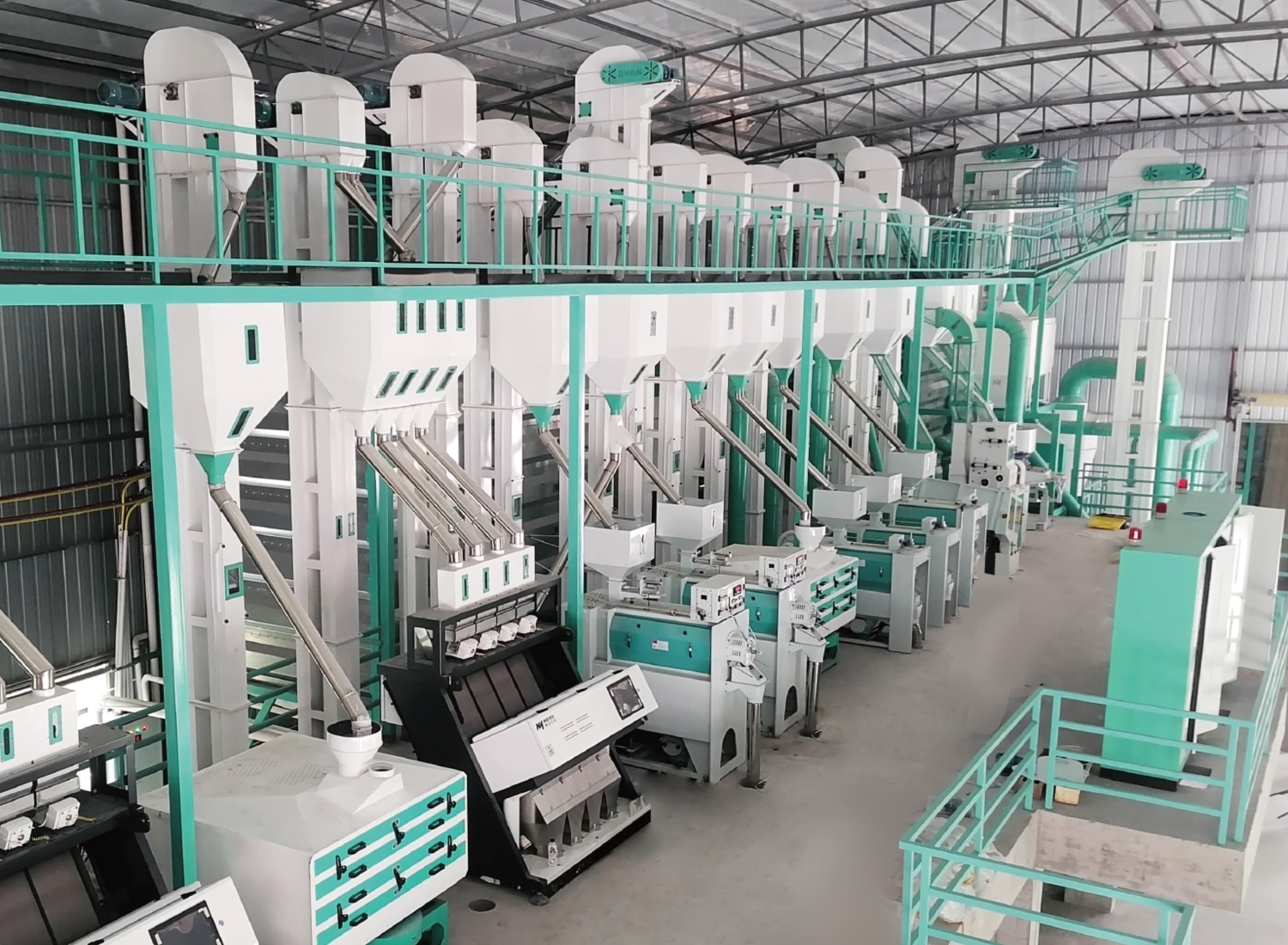
The de-stoner is widely used in various grain processing and food production lines, effectively removing stones, mud blocks and light impurities in grains and improving the quality of raw materials. Different models of de-stoners meet the production needs of different scales. For example, the TQLQ series is suitable for small-scale grain cleaning, while the TQLQ-85 type can handle the front-end cleaning tasks of large-scale production lines. The TQS series is good at the later stage of the cleaning process to ensure the stability of the de-stoning effect.
Its main advantages are:
Efficient separation: Utilizing physical principles to achieve efficient separation of impurities and grains.
Simple operation: Reasonable structural design, easy to operate and maintain.
Wide application: Applicable to the processing and production of various grains and foods.
Simple operation: Reasonable structural design, easy to operate and maintain.
Wide application: Applicable to the processing and production of various grains and foods.
IV. Maintenance
To ensure the long-term stable operation of the de-stoner, regular maintenance is required:
Check the fan and screen: Ensure that they are undamaged and clean to avoid affecting the separation effect.
Air volume and wind pressure adjustment: According to the requirements of the user manual, select the appropriate fan and maintain a stable air volume and wind pressure.
Screen surface replacement and repair: After long-term use, the screen surface is prone to wear and needs to be replaced or repaired in time.
Air volume and wind pressure adjustment: According to the requirements of the user manual, select the appropriate fan and maintain a stable air volume and wind pressure.
Screen surface replacement and repair: After long-term use, the screen surface is prone to wear and needs to be replaced or repaired in time.
Conclusion
The de-stoner plays an important role in grain processing and food production with its excellent separation ability, simple operation method and wide application field. Through scientific and reasonable maintenance, not only can the service life of the equipment be prolonged, but also the continuous and efficient operation of the production line can be guaranteed, contributing to the improvement of product quality and production efficiency.
Gravity Paddy Separator: A Precise and Efficient Tool for Pre-processing in Rice Processing
Sunfield Introduction to the Combined Rice Husker and Whitener

