
[Deep Analysis] Plastic Buckets vs. Metal Buckets: How to Choose?
2024-09-18
[Deep Analysis] Plastic Buckets vs. Metal Buckets: How to Choose?
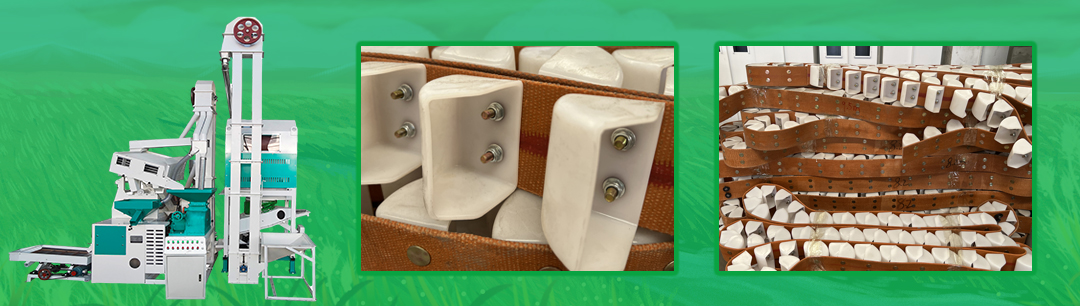
In the modern grain processing industry, elevators, as an important link connecting raw materials and rice milling machines, cannot be ignored in terms of their performance. In recent years, the application of plastic buckets in the elevators of rice milling machines has become increasingly widespread, and their unique advantages are gradually emerging. This article will deeply explore several major advantages of using plastic buckets in the elevators of rice milling machines.
Material Characteristics and Durability
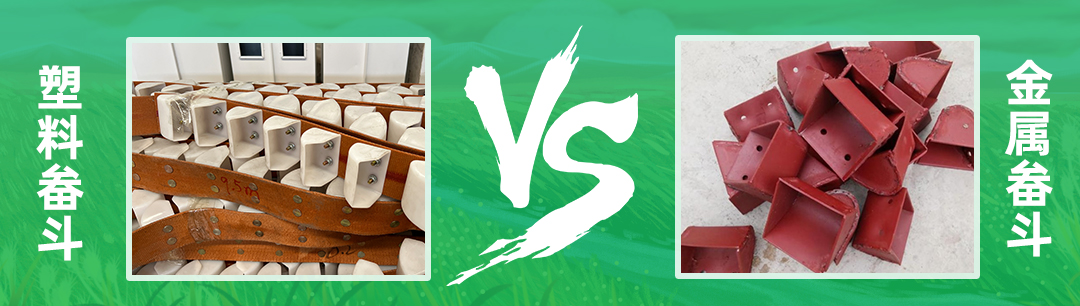
Metal Buckets
Advantages: Metal buckets usually have high strength and hardness and can withstand large loads.
Disadvantages: Metal materials are prone to rust in damp or corrosive environments. After long-term use, problems such as wear and deformation will occur, affecting service life and food safety.
Plastic Buckets
Advantages: Plastic buckets are made of polymer materials and have the characteristics of corrosion resistance, wear resistance, and anti-aging. Even in damp or corrosive environments, they can maintain good stability and greatly extend service life. In addition, the surface of plastic buckets is smooth and not easy to adhere to materials, reducing the difficulty of cleaning and maintenance.
Shortcomings: Compared with metal buckets, the strength and hardness of plastic buckets may be slightly inferior, but under normal use conditions, their performance fully meets the needs of rice milling machine elevators.

Emptying Performance and Product Quality
Metal Buckets
Shortcomings: When metal hoppers lift raw materials, materials are easily adhered to the bucket wall, resulting in incomplete emptying. This not only affects the lifting efficiency but may also cause corrosion to the metal hopper and increase the iron content in the raw materials, thereby affecting product quality.
Plastic Buckets
Advantages: Plastic buckets have good emptying performance and can pour out materials more thoroughly, reducing residue and waste. At the same time, because the plastic material is not easily corroded, it will not pollute the raw materials and ensure the stability of product quality.
Maintenance Cost and Working Environment
Metal Buckets
Shortcomings: Although the initial cost of metal buckets may be lower, due to their characteristics of easy wear and corrosion, they need frequent replacement and maintenance, resulting in high long-term costs. When metal buckets are running, they may collide with or rub against the inner wall of the elevator, generating large noise and affecting the working environment and personnel health.
Plastic Buckets
Advantages: The longer service life and lower maintenance cost of plastic buckets make their long-term cost more advantageous. In addition, the replacement and repair of plastic buckets are also relatively simple and quick, reducing the downtime and labor cost of enterprises. Due to its material characteristics, the noise generated by plastic buckets during operation is much lower than that of metal buckets. This helps improve the workshop working environment and protect the hearing health of personnel.
In conclusion, using plastic buckets in rice milling machine elevators has many advantages over metal buckets. It performs outstandingly in aspects such as material characteristics, self-weight and energy consumption, noise and working environment, emptying performance and product quality, as well as cost and maintenance. Therefore, for grain processing enterprises that pursue high efficiency, stability, and environmental protection, choosing plastic buckets is undoubtedly a wise decision.
Complete Guide to Rice Milling Machine Production Line Configuration: Three Key Points to Help You Easily Get It Done!
Vertical Sand Roller Rice Milling Machine: A Complete Guide to Installation, Use and Maintenance

