Reaching a New Milestone! China's Grain Output Surpasses 1.4 Trillion Jin for the First Time
2025-03-11

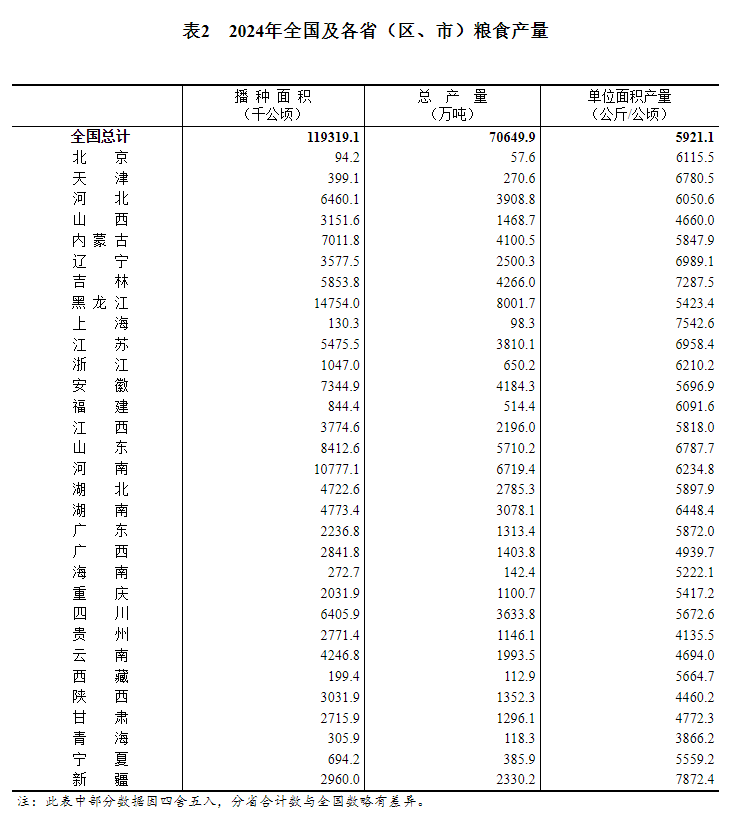
Recently, the National Bureau of Statistics released the 2024 grain production data. In 2024, the total national grain output reached 1,413 billion jin, an increase of 22.18 billion jin compared to the previous year, marking a growth of 1.6%. This is the first time the output has surpassed the 1.4 trillion jin mark, setting a new historical record after stabilizing above 1.3 trillion jin for nine consecutive years.
The breakthrough in grain output this year is primarily attributed to factors such as the increase in grain cultivation area and yield per mu. This year, the grain cultivation area reached 1.79 billion mu, an increase of 5.258 million mu, contributing nearly 20% to the production increase. The central government continued to strengthen support for grain production, with the minimum purchase prices for wheat and early indica rice being further raised. Subsidies for corn, soybean producers, and rice remained stable, and full-cost insurance and planting income insurance for the three major staple crops achieved full coverage, stabilizing farmers' income expectations from grain cultivation.
The breakthrough in grain output this year is primarily attributed to factors such as the increase in grain cultivation area and yield per mu. This year, the grain cultivation area reached 1.79 billion mu, an increase of 5.258 million mu, contributing nearly 20% to the production increase. The central government continued to strengthen support for grain production, with the minimum purchase prices for wheat and early indica rice being further raised. Subsidies for corn, soybean producers, and rice remained stable, and full-cost insurance and planting income insurance for the three major staple crops achieved full coverage, stabilizing farmers' income expectations from grain cultivation.
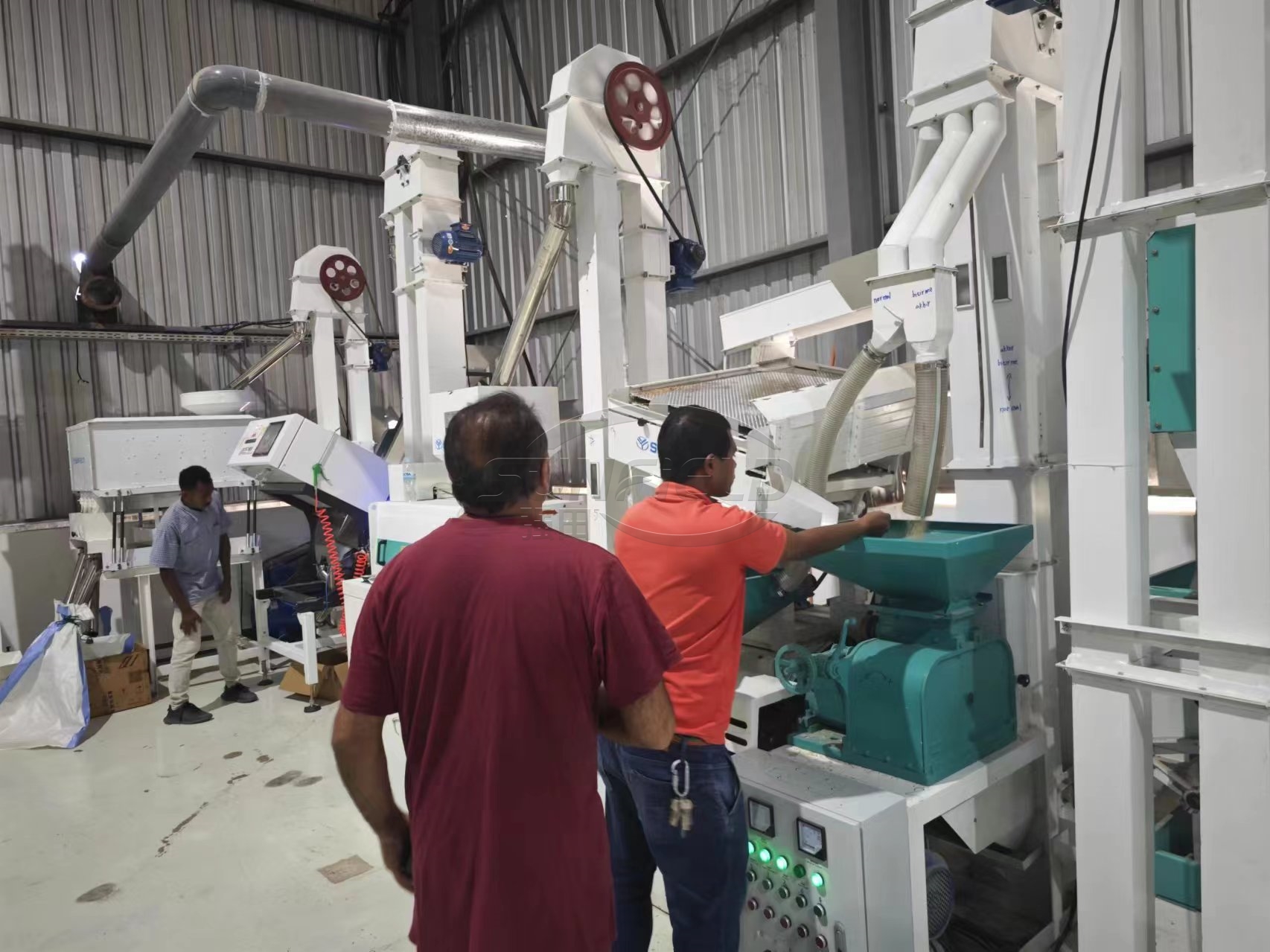
In terms of yield improvement, the grain yield per mu this year reached 394.7 kg/mu, an increase of 5.1 kg/mu compared to the previous year, with yield improvement contributing over 80% to the grain production increase. This year, the implementation of yield improvement projects for corn and soybeans continued, accelerating the integration of "five excellences": excellent fields, seeds, machinery, methods, and systems. Efforts were made to seize every season, connect every crop, and tightly link every step to tap into yield potential, promoting large-scale balanced production increases. According to the Ministry of Agriculture and Rural Affairs, this year's focus was on four key areas: First, increasing plant density per mu as the entry point, with the number of plants per mu continuously rising. In counties advancing corn yield improvement, the number of plants per mu increased by 100–300. Second, focusing on high-yield creation, with key technologies being rapidly promoted. High-yield techniques such as precise regulation for corn, dense planting in wide rows for soybeans, fine land preparation and sowing for wheat, and direct seeding with high density for rapeseed were emphasized. Third, targeting high performance as the breakthrough point, with significant upgrades in agricultural machinery
10 Years of Dedication: Maximizing Your Rice Mill Profit
Changsha Sino-Africa Trade Headquarters Building Sets Sail, Jointly Building a New Bridge for Sino-Africa Cooperation in Emerging Fields
Related Article

20 Years of Dedication: Maximizing Your Rice Mill Profit
10 Years of Dedication: Maximizing Your Rice Mill Profit
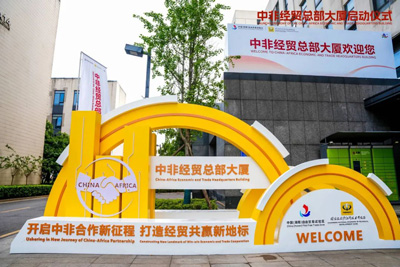
The official launch of the Changsha Sino-Africa Trade Headquarters Building not only marks a new phase in Sino-Africa trade cooperation but also provides strong momentum and limitless opportunities for Sunfield\'s Rice Milling Machines to set sail and take center stage on the global stage.
Changsha Sino-Africa Trade Headquarters Building Sets Sail, Jointly Building a New Bridge for Sino-Africa Cooperation in Emerging Fields